
Introduction
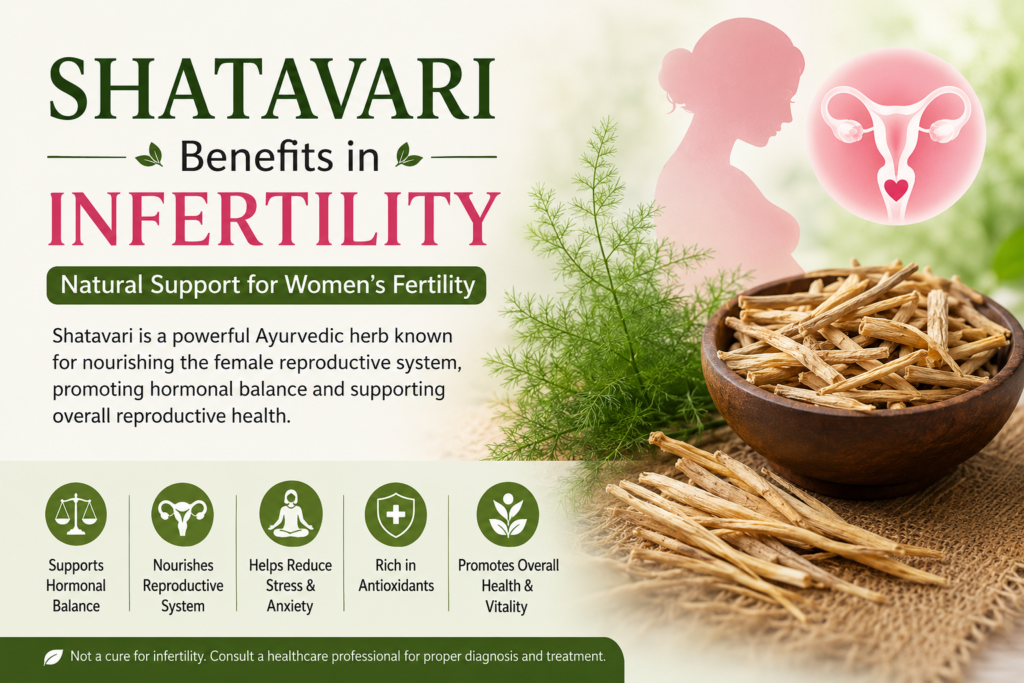
Shatavari Benefits in Infertility have gained significant attention among couples looking for natural ways to support reproductive health. In Ayurveda, Shatavari (Asparagus racemosus) is traditionally valued for promoting hormonal balance, supporting female wellness, and nourishing the reproductive system. While it is not a proven cure for infertility, it may serve as a complementary approach alongside medical care and a healthy lifestyle. This article explores the potential benefits of Shatavari, how it may support fertility, and important precautions before use.
What Are the Shatavari Benefits in Infertility?
Shatavari is a medicinal herb widely used in Ayurvedic medicine. Rich in plant compounds and antioxidants, it has traditionally been valued for promoting overall vitality, hormonal balance, and reproductive health.
Its botanical name is Asparagus racemosus, and it has been used for centuries as a rejuvenating herb for women.
Potential Shatavari Benefits in Infertility
1. How Shatavari Benefits in Infertility May Support Hormonal Balance
Hormonal health plays a critical role in ovulation and fertility. Shatavari has traditionally been used in Ayurveda to help support hormonal equilibrium, which may contribute to healthy reproductive function.
2. May Promote Female Reproductive Wellness
Ayurvedic practitioners often recommend Shatavari to nourish the female reproductive system and support uterine health as part of an overall wellness approach.
3. Shatavari Benefits in Infertility Through Stress Management
Chronic stress can affect reproductive hormones and menstrual cycles. Shatavari is considered an adaptogenic herb in traditional practice, meaning it may help the body adapt to physical and emotional stress.
4. Antioxidant Properties and Shatavari Benefits in Infertility
Oxidative stress may negatively affect reproductive health. Shatavari contains antioxidant compounds that may help protect cells from damage caused by free radicals.
5. Supports General Health and Vitality
Good nutrition and overall well-being are essential for reproductive health. Shatavari is traditionally used to promote energy, nourishment, and general wellness.
Can Shatavari Benefits in Infertility Improve Pregnancy Chances?
No. Infertility can have many underlying causes, including:
- Ovulation disorders
- Hormonal imbalances
- Polycystic ovary syndrome (PCOS)
- Endometriosis
- Blocked fallopian tubes
- Low ovarian reserve (Low AMH)
- Male factor infertility
- Thyroid disorders or other medical conditions
Because infertility is complex, relying solely on Shatavari is unlikely to address all causes. A proper diagnosis and individualized treatment plan are essential.
Shatavari Benefits in Infertility: Medical Evaluation
Consult a fertility specialist if you experience:
- Difficulty conceiving after 12 months of regular unprotected intercourse (or after 6 months if over age 35)
- Irregular menstrual cycles
- PCOS or hormonal disorders
- Low AMH
- Recurrent pregnancy loss
- Suspected endometriosis
- Tubal factor infertility
- Known male fertility concerns
How to Use Shatavari for Infertility Support
Shatavari is available in several forms:
- Powder
- Capsules
- Tablets
- Liquid extracts
- Ayurvedic herbal formulations
The appropriate dosage depends on an individual’s health status, age, medications, and treatment goals. Always consult a qualified healthcare provider before starting any herbal supplement.
Possible Side Effects and Safety Considerations
Shatavari is generally well tolerated when used appropriately, but some individuals may experience:
- Mild digestive discomfort
- Allergic reactions
- Interactions with certain medications
Pregnant or breastfeeding women and individuals with chronic medical conditions should seek professional medical advice before use.
Lifestyle Tips to Support Fertility
To improve overall reproductive health:
- Eat a balanced, nutrient-rich diet.
- Maintain a healthy body weight.
- Exercise regularly.
- Manage stress through healthy coping strategies.
- Get adequate sleep.
- Avoid smoking and excessive alcohol consumption.
- Seek timely medical evaluation for fertility concerns.
Conclusion: Are Shatavari Benefits in Infertility Worth Considering?
The potential Shatavari Benefits in Infertility lie primarily in its traditional use as a supportive herb for hormonal balance, reproductive wellness, stress management, and overall vitality. While it may complement a holistic fertility plan, current evidence does not establish Shatavari as a standalone treatment or cure for infertility.
For the best outcomes, couples experiencing fertility challenges should undergo proper medical evaluation and follow a personalized treatment plan under qualified healthcare professionals.
Frequently Asked Questions About Shatavari Benefits in Infertility
1. Does Shatavari improve fertility?
Shatavari may support reproductive health and hormonal balance, but there is no guarantee that it will improve fertility or result in pregnancy.
2. Is Shatavari Effective for PCOS-Related Infertility?
Some practitioners may recommend it as part of a broader wellness plan, but women with PCOS should consult their healthcare provider before use.
3. How long should I take Shatavari?
The duration varies based on individual needs and should be determined by a qualified healthcare professional.
4. Can Men Benefit From Shatavari for Fertility?
Although it is traditionally used for both men and women in Ayurveda, its role in male fertility requires further research.
5. Should I use Shatavari instead of fertility treatment?
No. Shatavari should not replace evidence-based medical evaluation or treatment. It may be considered as a complementary approach under professional guidance.